Get a FREE Case Evaluation

Olympus Colonoscopes
- Brand Names: Olympus, Pentax, Fujifilm
- Device Used For: Colonoscopy
- Product type: Medical device
- Potential Severe Complications: Infections, tuberculosis, HIV, antibiotic-resistant infection, sepsis
- Lawsuit Type: Medical device personal injury (civil lawsuit)
- Lawsuit Status: Ongoing
Colonoscopy Infection Lawsuit | Sepsis & Injury Claims
Patients are filing colonoscopy lawsuits against manufacturers, such as Olympus, after experiencing sepsis and infections (including antibiotic-resistant “superbugs”) after a colonoscopy. According to lawsuits and medical analysis, these infections may be caused by pathogens on the reusable colonoscope. Lawsuits also allege that colonoscopes have design flaws that prevent them from being fully disinfected between procedures.
Additionally, some scopes used in colonoscopies have been subject to recalls due to hard-to-sanitize scopes and scope accessories. These recalls were issued after patients in the U.S. experienced serious infections related to different types of reusable scoping devices made by Olympus.
Colonoscopy Infection Lawsuit | Recall Timeline & News – Month Year
January 27, 2024: Contaminated Colonoscope Exposes 17 Patients to Salmonella
According to an FDA report, a contaminated Imagina colonoscope, manufactured by Hoya Corporation Pentax, exposed 17 patients to Salmonella bacteria in December 2023. The scope had been reprocessed according to manufacturer guidelines. While none of the patients were harmed by the exposure, Salmonella carries a risk of serious infections.
January 31, 2022: Nearly 20% Of Reprocessed Gastrointestinal Endoscopes Are Contaminated, Meta-Analysis Says
A meta-analysis of 20 studies found post-reprocessing contamination rates of almost 20% in colonoscopes and other gastrointestinal endoscopes. The study argues that existing reprocessing standards for these devices are inadequate to ensure patient safety, and advocates for updated guidelines, including increased emphasis on cleaning the devices’ channels.
March 31, 2018: Study Finds Post-Colonoscopy Infection Rates 100x Higher Than Previously Thought
A study conducted by Johns Hopkins found that infection rates after colonoscopy procedures are significantly higher than previously believed. After analyzing data from ambulatory surgery centers (ASCs), the study’s authors concluded that post-colonoscopy infection rates were approximately 100 times higher than expected.
April 6, 2016: Patients Sue MA Hospital For Potential Exposure To Contamination From Improperly Cleaned Colonoscopes
After reports that Westfield, MA’s Baystate Noble Hospital may have exposed nearly 300 colonoscopy patients to contamination from improperly cleaned scopes, a group of 25 patients filed a group lawsuit. Patients were potentially exposed to hepatitis B, hepatitis C, and HIV. While at least one patient tested positive for infection, plaintiffs who did not still accused the hospital of negligent infliction of emotional stress for failing to clean one of the scope’s 4 channels as directed by the manufacturer.
November 17, 2012: Air Force Veteran Wins $1.25 Million For Hepatitis C Contracted During Colonoscopy
Robert Metzler, an Air Force veteran who contracted hepatitis C from a contaminated colonoscope, was awarded $1.25 million by a US District judge in his colonoscopy lawsuit. The judge ruled the staff of Miami Veterans Administration Medical Center improperly cleaned the scope used in Metzler’s procedure.
On this page:
Colonoscopy Infection Lawsuit | Recall Timeline & News – Month Year
What Are Colonoscopy Infection Lawsuits About?
What Is a Colonoscope and How Does It Work?
Colonoscope Recalls for Scopes and Accessories
FDA Warnings About Colonoscope Contamination
How Can a Colonoscope Cause Infections?
Possible Conditions Caused by Contaminated Colonoscopes
Studies Linking Colonoscopes and Infections
What Damages Can People Sue Colonoscope Manufacturers For?
Who Qualifies to File a Colonoscopy Infection Lawsuit?
What is the Deadline for Filing a Colonoscopy Infection Claim?
Colonoscopy Infection Lawsuit Settlements and Awards
Learn More About Colonoscopy Infection Lawsuits From Our Legal Team
What Are Colonoscopy Infection Lawsuits About?
Colonoscopy lawsuits center on infections and sepsis allegedly caused by the design and/or improper cleaning of the reusable colonoscopes. Endoscopes used in colonoscopies are reusable medical devices, which can potentially transfer pathogens between patients if not fully sterilized. Colonoscopy infection lawsuits allege that the scopes are designed in such a way that they can harbor and incubate pathogens, even when cleaned according to manufacturer guidelines.
Plaintiffs in colonoscopy suits may have experienced infections such as tuberculosis and HIV, as well as life-threatening sepsis, with lasting health and financial consequences. They may also have experienced infection from hard-to-treat “superbugs,” which have developed resistance to antibiotics.
| Colonoscopy Infection Lawsuit Information | |
| Main Injuries: | Infection (including TB, HIV, and drug-resistant “superbugs”), sepsis, wrongful death |
| Defendants: | Olympus |
| Mass tort or class action? | Individual cases with potential for consolidation |
| Have There Been Settlements? | In individual cases |
| Active Lawsuit? | Yes |
When Would Someone File a Colonoscopy Infection Lawsuit?
A patient who experienced an infection, sepsis, or other injury after a colonoscopy may wish to explore a lawsuit against the device manufacturer or the hospital where the procedure was performed. A lawsuit may help them recover financial losses from medical bills and other expenses.
They may also be eligible for compensation for the impact of the injury on their life and well-being, such as the pain and suffering they experienced, lost wages due to an inability to work, and the effect on their relationship with their spouse or family.
Allegations in Colonoscopy Infection Lawsuits
Colonoscopy lawsuits center on the devices’ design, difficulty cleaning, and ability to transmit infections from patient to patient. Specific allegations in colonoscopy infection lawsuits include:
- Reusable colonoscopes contain small, enclosed areas that are prone to harboring contamination and cultivating pathogens that can be transmitted to subsequent patients..
- The design of colonoscopes makes them difficult to clean (reprocess).
- Many hospitals do not adequately follow reprocessing protocols.
- Even when reprocessed correctly, colonoscopes can still harbor contamination.
What Is a Colonoscope and How Does It Work?
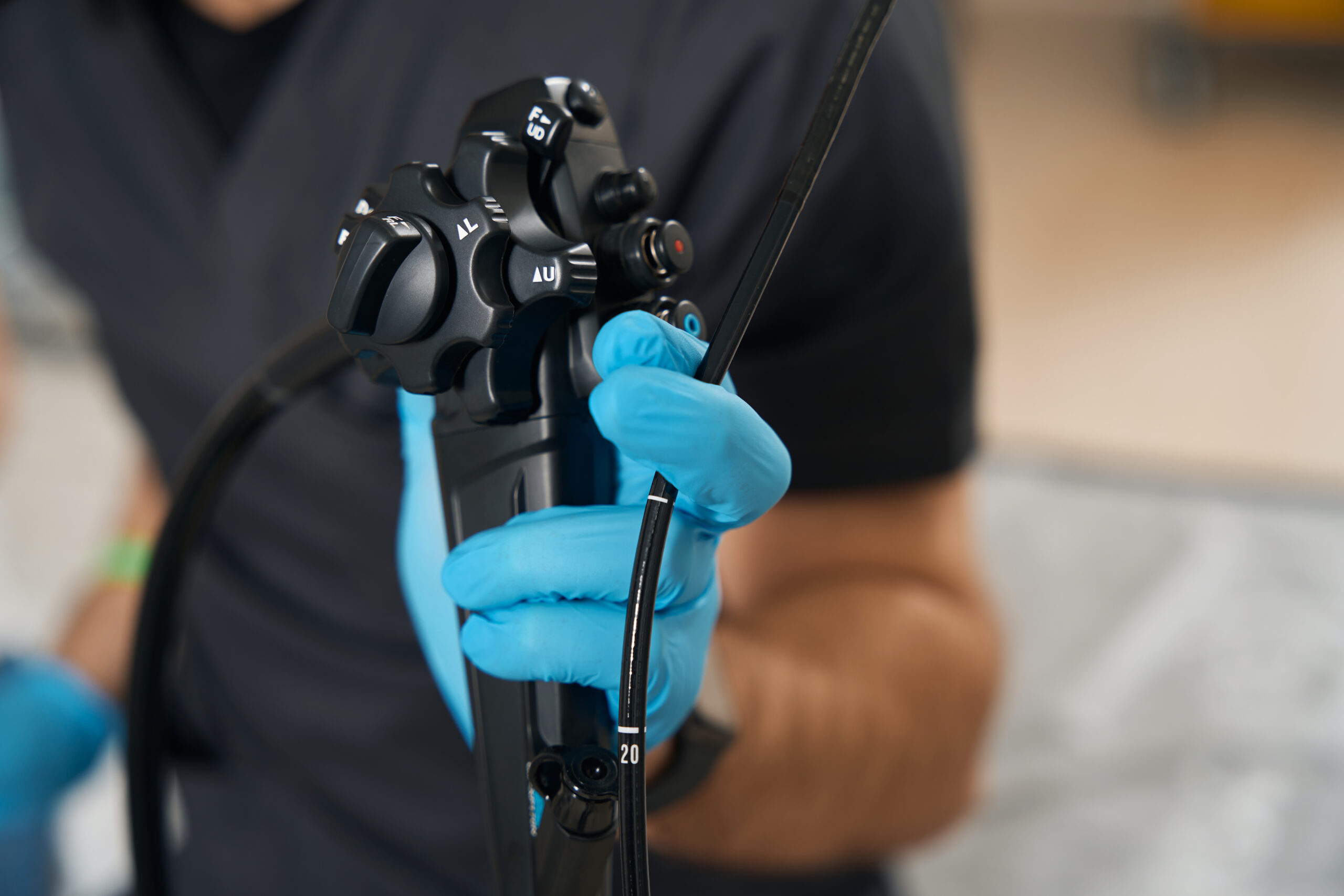
A colonoscope is a device used in a colonoscopy to diagnose colorectal disease and damage. It’s commonly used to screen for colorectal cancer and noncancerous polyps, and for investigating the underlying causes of stomach pain, rectal bleeding, and other symptoms.
A colonoscope is a long, thin tube equipped with a camera. In some cases, it may also be used to assist in biopsies or polyp removal. During a colonoscopy, the scope is inserted into the patient’s rectum, and footage is transmitted to a screen for examination. Patients are usually sedated for the procedure, and may be under general anesthesia.
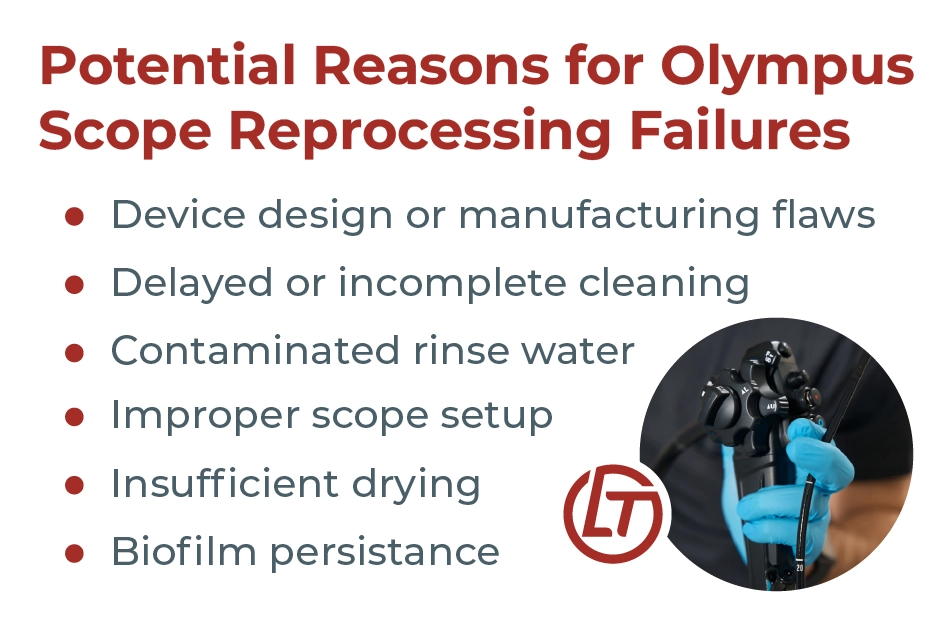
Because it is a reusable device, a colonoscope must be thoroughly disinfected (reprocessed) between procedures to prevent transmission of infection. The device must be fully cleaned, sanitized, and dried between procedures.
Colonoscope Recalls for Scopes and Accessories
In recent years, some models of Olympus and Pentax colonoscopes have been recalled due to a risk of infection or other adverse events.
You can search for specific device recalls in the FDA database. Remember, if you experienced infection or other injury after a procedure with a colonoscope, you may still be eligible to file a lawsuit even if the device was never recalled.
| Date initiated: 1/11/2024 Manufacturer: Olympus (Olympus Corporation of the Americas) Device: Colonoscopes repaired and improperly reassembled Model numbers: CF-H180AL, CF-HQ190I, CF-HQ190L, CF-Q180AL, PCF-Q180AL, PCF-H190DL, PCF-H190L, PCF-H190TL, PCF-HQ190L, PCF-H180AL Type of action: Class 2 recall Description: After repair, some Olympus colonoscopes were improperly reassembled without an approved adhesive, leaving them susceptible to damage from vibration, temperature changes, and other physical conditions. |
| Date initiated: September 25, 2023 Manufacturer: Olympus (Aizu Olympus Co.) Device: colonoscopes repaired by Olympus and inadequately dried Model numbers: CF-2T160I, CF-2T160L, CF-H170I, CF-H170L, CF-H180AI, CF-H180AL, CF-H180DI, CF-H180DL, CF-H190I, CF-H190L, CF-HQ190I, CF-HQ190L, CF-LV1I, CF-LV1L, CF-Q150I, CF-Q150L, CF-Q160S, CF-Q180AI, CF-Q180AL Type of action: Class 2 recall (part of a global action) Description: After repair using an unvalidated air-drying process, some Olympus colonoscopes remained wet, presenting a risk of contamination and patient infection. |
| Date initiated: April 22, 2022 Manufacturer: Olympus (Olympus Corporation of the Americas) Device: Colonovideoscope with incorrect camera accessory attached Model number: CF-H180AL Type of action: Class 2 recall Description: Installation of an incorrect camera accessory could potentially cause patient injury, including hemorrhage and bleeding. |
| Date initiated: July 14, 2021 Manufacturer: Pentax (Pentax of America) Device: certain Pentax video colonoscopes distributed between April 2014 and May 2021 Model numbers: EC-2990Li, EC-3490Li, EC-3890Li, EC-3490TLi, EC-3490LK, EC-3890LK, EC3890LZi, EC34-i10L, EC38-i10L, EC-3890TLK Type of action: Class 2 recall Description: Pentax distributed updated reprocessing guidelines for certain models of 1- and 2-channel colonoscopes |
FDA Warnings About Colonoscope Contamination
In 2023, the FDA issued multiple warning letters to Olympus about noncompliance with adverse event reporting and quality control measures related to endoscopes and automatic endoscope reprocessors. FDA regulations require that medical device manufacturers report injuries or illnesses experienced by patients, so it can be determined if the device was responsible for that injury. The letters note ongoing actions related to potential contamination of Olympus scopes due to inadequate reprocessing procedures.
How Can a Colonoscope Cause Infections?
Colonoscopes and similar endoscopic devices are designed to be reused. This means they must be thoroughly cleaned (reprocessed) between patients. Otherwise, the scopes could carry contamination, including pathogens, from one patient to the next.
Endoscopes, including colonoscopes, can be difficult to fully disinfect. There are multiple reasons for this, but one of the reasons is the design of some devices. Some colonoscopes have difficult-to-clean features, such as long, narrow channels to deliver air and water. These channels are too small and complex for manual cleaning and must be flushed to reprocess. They may be prone to scratches.
The channel design can make it hard to fully disinfect a colonoscope, even when medical facilities follow the manufacturer’s reprocessing instructions. One meta-analysis found that nearly 20% of reprocessed endoscopes contained contamination. However, it is important to note that all contamination leads to infection. Another study found contamination rates as high as 71%, which the authors attributed to inadequate cleaning and drying protocols at the facilities they were examining.
How Common are Infections After a Colonoscopy?
Infections after a colonoscopy are not common, but they do happen. Some studies have found that rates of infection after a colonoscopy are higher than medical professionals once thought. For example, according to a 2018 Johns Hopkins study, rates of infection after colonoscopy are approximately 100 times higher than previously thought, though the rates remain relatively low. The study used data from ambulatory surgery centers (ASCs) to determine that infection rates within a week of the procedure were as follows:
- 1 per 1000 for screening colonoscopy
- 1.6 per 1000 for nonscreening colonoscopy
Additionally, in this particular study, 45 out of 1000 patients who had been hospitalized in the month before the procedure visited a hospital with an infection in the following month.
What Types of Infections Can a Contaminated Colonoscope Cause?
Contaminated colonoscopes can transmit bacteria or viruses from patient to patient. This introduction of pathogens by a colonoscope can cause a variety of serious infections and conditions, including:
- klebsiella pneumoniae
- escherichia coli
- Enterobatteriaceae
- pseudomonas aeruginosa
- CRE
- Hepatitis C
- HIV
- Sepsis (life-threatening reaction to infection)
- Tuberculosis
Possible Conditions Caused by Contaminated Colonoscopes
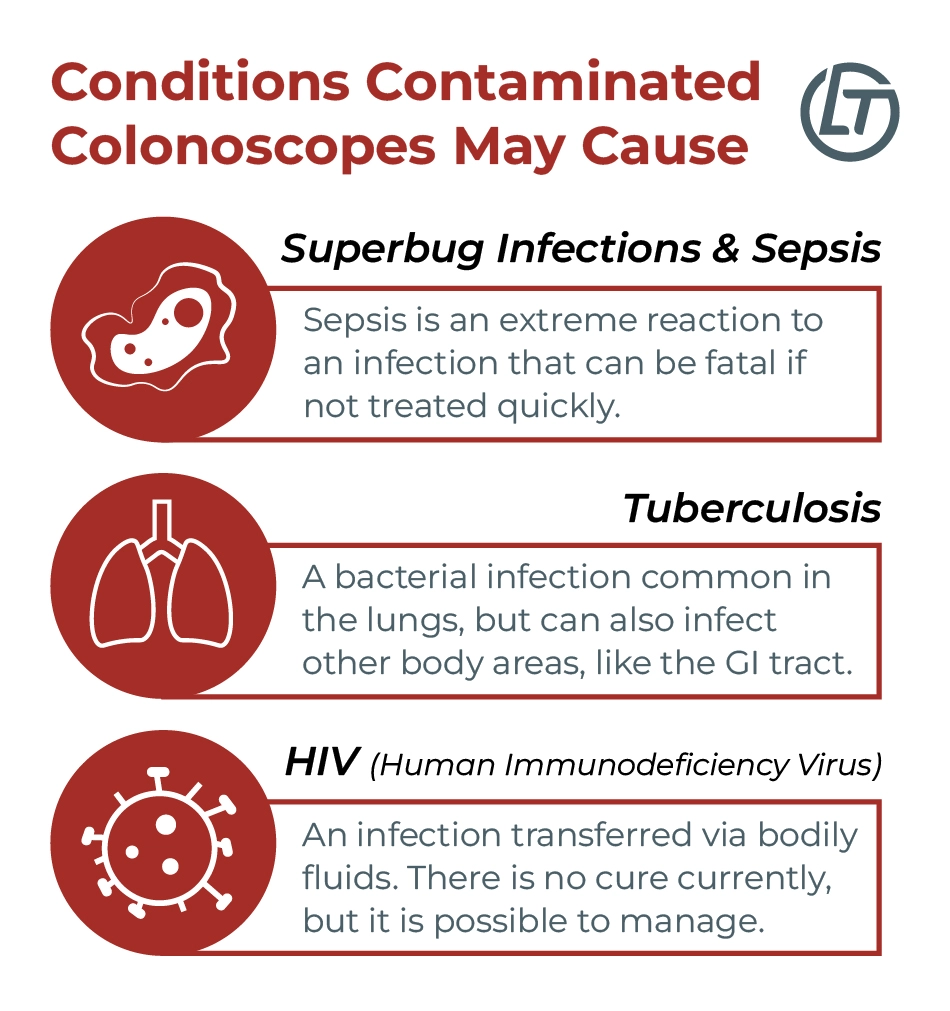
Colonoscopy-related infections can have serious symptoms and long-term side effects. Some infections can lead to sepsis, a potentially fatal reaction to severe infection. Possible conditions related to these infections may include:
- Sepsis
- Pneumonia
- Cognitive impairment and mental health conditions
- Chronic pain
- Gastrointestinal pain and discomfort
- Malnutrition, anemia, and vitamin deficiency
- Insomnia
Superbug Infections and Sepsis
Sepsis is an extreme reaction to infection that can cause serious injury, such as tissue and organ damage, or death. Any infection can lead to sepsis, but infections of the gastrointestinal tract–such as those resulting from a colonoscopy–are more likely to cause it. Symptoms of sepsis include fever, shortness of breath, pain, and elevated heart rate.
Sepsis can be fatal, making quick diagnosis and treatment essential. Treatment typically includes antibiotics and may require surgery if there is extensive tissue or organ damage. However, when sepsis is caused by a superbug infection, it can be exceptionally difficult to treat because antibiotics are rendered ineffective.
Outcomes for this injury
According to the CDC, sepsis is a common cause of hospital deaths. More than 1.7 million adults in the U.S. contract sepsis each year and more than 350,000 die as a result. An additional 18,000 children contract sepsis annually, with 1,800 of those cases proving fatal. Chronic medical conditions can make patients more vulnerable to sepsis.
Recovery from nonfatal sepsis can require significant, long-term rehab. While many patients fully recover, some may be left with chronic conditions, including:
- Cognitive impairment
- Mental health conditions such as depression, anxiety, and panic attacks
- Insomnia
- Chronic pain
- Amputation
Patients who have recovered from sepsis are also at increased risk of contracting it again.
Tuberculosis
Tuberculosis is a bacterial infection most commonly found in the lungs that can also infect the gastrointestinal tract and other areas of the body. TB is typically treated with antibiotics, but certain varieties have developed into treatment-resistant superbugs. Because GI tuberculosis may be diagnosed with a colonoscope, the potential for contamination places patients at risk of transmission.
Outcomes for this injury
Gastrointestinal tuberculosis is a serious infection with similar symptoms to other GI diseases, such as Crohn’s disease. The most common symptom is abdominal pain; other symptoms include nausea, changes to bowel movements, weight loss, fever, and anemia. Some patients also experience a chronic, bloody cough and other respiratory symptoms.
Typically, gastrointestinal tuberculosis is treated with a 6-month course of antibiotics. Surgery may also be required to treat physical complications.
HIV
Human Immunodeficiency Virus (HIV) is an infection that can be transferred via blood, semen, and other bodily fluids. While it’s most commonly transmitted sexually or via shared needles or other drug paraphernalia, it can also be present in colonoscope contamination.
Outcomes for this injury
Currently, there is no cure for HIV. However, antiretroviral therapy can suppress the virus and prevent transmission. With treatment, individuals with HIV can live long, healthy lives.
Left untreated, HIV will eventually develop into acquired immunodeficiency syndrome (AIDS), the third and final stage of HIV infection. Patients with AIDS have severely compromised immune systems and are vulnerable to a variety of diseases and infections. AIDS is highly contagious and usually fatal within 3 years.
The FDA wants to receive reports of injuries and complications people experience after using a medical device. If you have a medical device injury you want to report, you or your physician can make a report in MAUDE (i.e., the Manufacturer and User Facility Device Experience (MAUDE) Database).
Signs and Symptoms of Infection After a Colonoscopy
While specific symptoms vary by condition, similar to other infections, signs of a post-colonoscopy infection may include:
- Fever
- Shortness of breath
- Elevated heart rate
- Abdominal pain
- Flu-like symptoms
- Gastrointestinal issues, such as changes to bowel movements
If you believe you may have an infection, consult a doctor.
Studies Linking Colonoscopes and Infections
Although infection rates of other types of scopes have been more thoroughly explored, there is a growing body of literature examining colonoscopes and gastrointestinal endoscopes. In general, these studies find that contamination in reprocessed colonoscopes is relatively common,even if that contamination does not result in illness in patients.
Important Study: Persistent contamination on colonoscopes and gastroscopes detected by biologic cultures and rapid indicators despite reprocessing performed in accordance with guidelines
A 2015 study published in the American Journal of Infection Control found that, even when reprocessed according to U.S. guidelines, gastrointestinal endoscopes frequently retain contamination.
The study examined endoscopes used and reprocessed in a busy endoscopy unit of the Mayo Clinic in Rochester, MN. The study tested both colonoscopes and esophagogastroduodenoscopes (EGDs) at different stages of reprocessing (bedside cleaning, manual cleaning, high-level disinfecting, and overnight storage).
The study found high levels of contamination on patient-ready endoscopes, recovering viable microbes from 64% of high-level disinfected scopes and 9% of stored scopes. The authors conclude that current reprocessing guidelines are not sufficient to ensure patient safety.
| Overview: Persistent contamination on colonoscopes and gastroscopes detected by biologic cultures and rapid indicators despite reprocessing performed in accordance with guidelines | |
| Description of Study: | The study tested for contamination in endoscopes, including colonoscopes, throughout reprocessing. |
| Published In: | American Journal of Infection Control |
| Study Authors | Cori L. Ofstead MSPHHarry P. Wetzler MD, MSPHEvan M. Doyle BSCatherine K. Rocco RN, MSN, CNORKavel H. Visrodia MDTodd H. Baron MDPritish K. Tosh MD |
| # of Participants | 60 encounters, 15 endoscopes |
| Findings | Approved reprocessing protocols do not reliably eliminate contamination and infectious material from colonoscopes and EGDs, placing patients at risk of infection after colonoscopy and other procedures. |
What Damages Can People Sue Colonoscope Manufacturers For?
Patients who have experienced injury due to infection from a contaminated colonoscope may be eligible for a variety of damages and compensation:
- Medical bills from hospitalization and long-term recovery from infection or sepsis
- Lost wages due to missed work, diminished ability to perform a job, or long-term disability
- Pain and suffering due to the immediate and long-term effects of the infection (for example, living with chronic pain, HIV, or an amputation)
- Emotional distress from the long-term mental health side effects of serious infection (e.g., depression and anxiety)
- Punitive damages, if the colonoscope manufacturer or hospital is ruled negligent
- Loss of consortium, if the side effects of a post-colonoscopy infection (such as HIV) affect the patient’s relationship with their spouse or family
- Wrongful death
- Other related expenses, such as legal and court filing fees
Who Qualifies to File a Colonoscopy Infection Lawsuit?
In order to file a colonoscopy infection lawsuit, a plaintiff has to meet certain eligibility requirements and file within the statute of limitations. Our legal partners are focusing on the specific injuries listed below:
- Sepsis/infection
- Tuberculosis (TB)
- Human Immunodeficiency Virus (HIV)
- Death
If you or a loved one experienced any of the above after a colonoscopy procedure, you may be eligible to file a suit. A qualified attorney can help you understand your potential legal options.
What Proof Do You Need to File a Colonoscopy Infection Lawsuit?
To file a suit, you’ll need to assemble evidence to make your case. In general, you’ll need to establish a timeline of events where you experienced sepsis or infection after a colonoscopy, and prove that the infection was likely caused by a contaminated colonoscope. This medical timeline will need to be based on your medical records, including the initial procedure, treatment of the infection, prescriptions, and any other evidence that can establish a chain of cause and effect.
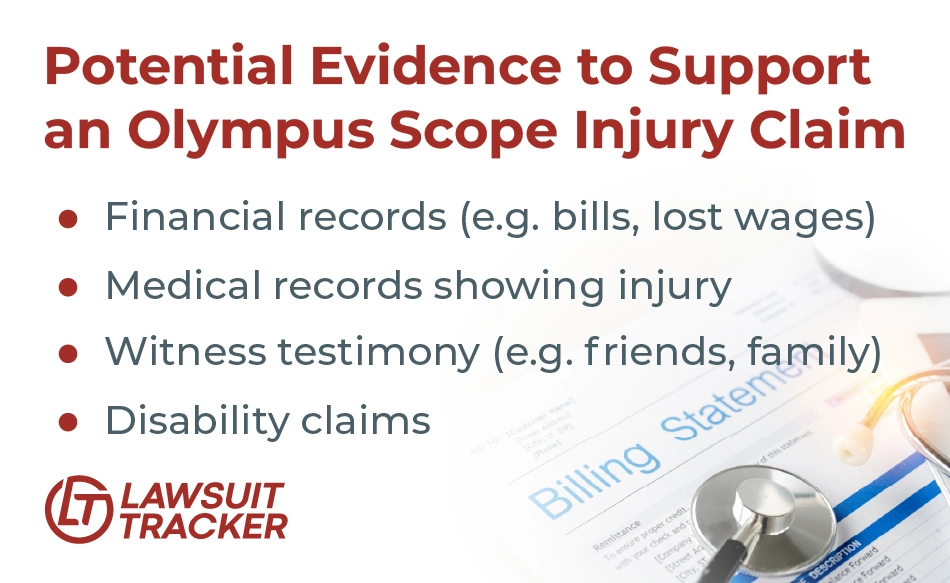
In addition, you’ll need to document the impact the injury had on your life. Evidence of the impact of your injuries from a post-colonosopy infection include:
- Witness testimony (for example, from friends or family)
- Financial records showing medical expenses, lost wages, and other financial impact
- Disability claims
- Medical records proving long-term injury
- Doctors’or therapists’ notes
What is the Deadline for Filing a Colonoscopy Infection Claim?
A lawsuit must be filed within the statute of limitations, which is a window of time after the date when the injury occurred or when it was linked to a specific device. (This is known as the date of discovery.) Statutes of limitations are set by individual states, but usually range from 1-3 years, though some states are as long as 6 years. In cases of wrongful death, the statute of limitations may be longer.
If you believe you’ve been injured as a result of a colonoscopy infection, talk to an attorney as soon as possible to ensure you file before the deadline.
Colonoscopy Infection Lawsuit Settlements and Awards
Awards and settlements will vary depending on the specifics of a lawsuit and a plaintiff’s injuries. Some previous awards include $1.25 million in a 2012 suit filed by Air Force veteran Robert Metzler, and $5.1 million in 2016 to Lucy Gonzales, a New York woman who filed a malpractice lawsuit. (In both cases, the plaintiffs contracted Hepatitis C after undergoing a colonoscopy.) N
Colonoscopy infection lawsuits may or may not result in a settlement. If a patient receives a settlement, it will be based on their actual injuries and losses. Each settlement will be unique to a patient’s unique circumstances.
Factors Affecting the Value of a Colonoscopy Infection Lawsuit
The potential value of a colonoscopy infection lawsuit will depend on many factors. More severe injuries and a larger impact on the plaintiff’s quality of life can both increase compensation. Additionally, negligence or misconduct by the defendants can lead to punitive damages. A qualified attorney can help you evaluate the specifics of your case and better understand your potential compensation and eligibility for an Olympus scope lawsuit..
Learn More About Colonoscopy Infection Lawsuits From Our Legal Team
The legal system may be the last thing you want to deal with in the wake of a debilitating injury, but we have experienced legal partners standing by to help you. They can answer your questions, provide you with additional resources and information, help you decide whether to pursue a lawsuit, and ultimately guide you through the legal process should you choose to file.
The courts exist to hold people and corporations accountable. If you believe you were harmed by a colonoscopy-related infection, reach out to an attorney to discuss your case.
Get a FREE Case Review
Contact Use TodayFAQs
If you contracted an infection and/or sepsis after undergoing a colonoscopy, you may be eligible to file a lawsuit against the device manufacturer or healthcare provider who performed the procedure.
Reusable colonoscopes can harbor contamination due to the way they are designed, or because they were improperly disinfected. The contamination can be transferred to subsequent patients, potentially causing an infection.
You will need to establish a timeline linking the colonoscopy to the infection, demonstrate that the infection wasn’t caused by some other factor, and provide proof of injury.
Depending on the circumstances, you may be eligible for compensation for medical bills, lost wages, and other financial damages. You may also be eligible for damages related to your experience of the injury and its effects on your life. In some cases, the court may award punitive damages.
Infections may present very quickly or take weeks to appear. One study examined infection rates within 30 days of colonoscopy and endoscopy, finding them over 100 times more common than previously thought. In 2016, a woman won a lawsuit after she was hospitalized with Hepatitis C six weeks after the colonoscopy that caused it.
You and your attorney will need to establish a chain of cause and effect, including that your infection occurred after the procedure and that there was no other plausible way you could have gotten it.
The length of time depends on the specifics of the case, whether colonoscopy lawsuits are consolidated into an MDL (multi-district litigation), whether a pretrial settlement is reached, and other factors. An attorney can give you a better sense of what to expect in your specific case.
If a case goes to trial, you’ll likely be called on to testify. You’ll also likely be called to testify during pretrial discovery.
Attorneys in colonoscopy infection suits usually work on a contingency basis, meaning you only pay them if you receive compensation.
Whether you can file a lawsuit depends on the statute of limitations in your state. If you believe you may have grounds for a lawsuit, consult a qualified attorney as soon as possible to ensure a timely filing.
Contact Us Today
"*" indicates required fields